Did You Know:
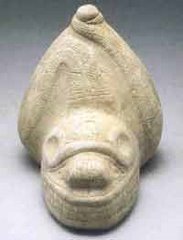
 Guaiaba (Guayaba) is the Taíno word for the guava fruit, which is native to the Caribbean, Central, and South America. The fruit is edible, having a sweet soft interior with a thin delicate rind. The rind varies in color from green to light green or yellow in its mature or "ready to eat" state. When eating guava fruit two things you will notice is that it has small hard seeds as you bite into it as well as a distinctive aroma. Guava is said to be a good source of Vitamins A, B, and C and is a common flavor of juices and desserts in the Caribbean. Guaiaba leaves have been used as a remedy for diarrhea and the leaves are considered to have antimicrobial properties. The same anti-diarrheal substances which are useful in "folk medicine" may also cause constipation in the case of consumption of large amounts of guava fruit. In Cuba, guaiaba leaves are sometimes used in barbecues providing a savory, smoked flavor to the meat. According to Taino oral tradition, the chief or guardian of Koaibei (Coaybey), the Taino spirit world, is named Maketaurie Guaiaba. Taino oral tradition also states that ancestral spirits or hupia leave Koaibei in the evenings, sometimes taking the form of bats who feed on the guaiaba fruit.
- © 2017 UCTP Taino News

References
Morton, J. F. (1987). Fruits of Warm Climates. Julia F. Morton.
Arrom, J. J. (1989). Mitología y artes etnología taínas [Taíno Mythology and Arts Ethnology]. Ediciones Panhouse.